


Late Summer Hair Care: Protecting Against Sun and Heat Damage
- Marcie O
- Aug 29, 2024
- 9 min read

As the summer sun begins to set and we transition into the cooler, crisper days of fall, it's essential to take a moment to reflect on how the intense summer weather has impacted our hair. Late summer is often a challenging time for all hair types. The combination of prolonged sun exposure, frequent heat styling, and dips in chlorine or saltwater can leave hair feeling dry, brittle, and damaged. But fear not! With the right care and attention, you can restore your hair's health and prepare it for the coming season.
Different hair types have different needs, and understanding these unique needs is key to maintaining beautiful, healthy hair year-round. In this guide, we'll explore tips and tricks for moisturizing, post-salon care, and promoting growth for all hair types. Whether your hair is tightly coiled like mine, wavy, or straight, these strategies will help you navigate the late summer hair care challenge. Let's dive into the journey of nurturing your hair back to health and ensuring it stays resilient and gorgeous as we move into the fall months.
1. Moisturizing Tips for All Hair Types

Moisture is the foundation of healthy, resilient hair, no matter what type of hair you have. The summer sun and heat can wreak havoc on your hair, stripping away its natural oils and leaving it dry, brittle, and prone to breakage. Whether you have tight curls, loose waves, or sleek straight hair, it's essential to replenish lost moisture and protect your strands from further damage. Hydration not only keeps your hair looking shiny and feeling soft, but it also strengthens the hair shaft, making it more resilient against the elements. By incorporating the right moisturizing techniques into your hair care routine, you can revive your locks and keep them healthy, vibrant, and full of life, no matter what the season brings. Let’s explore some tips tailored to your unique hair type, so you can keep your hair hydrated and happy all year long.
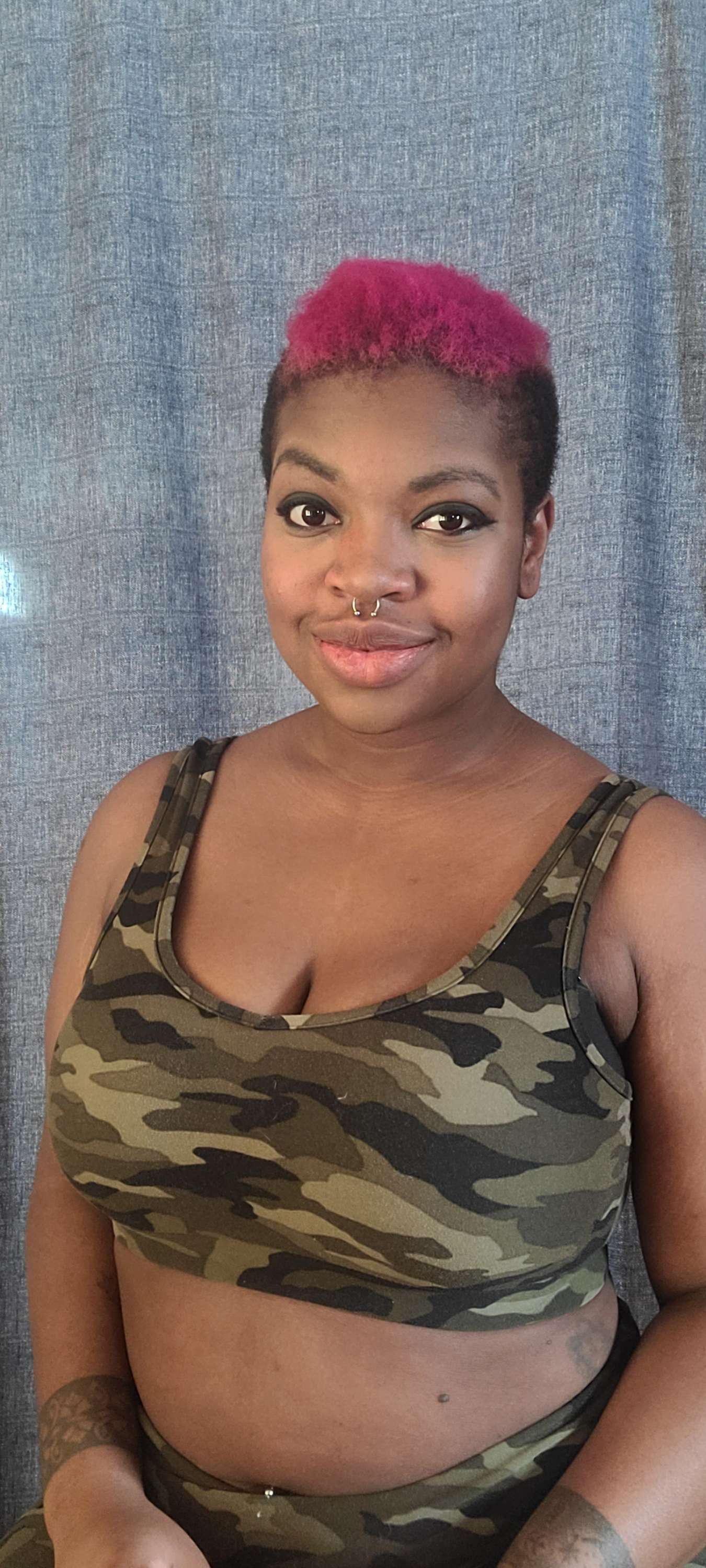
4C Hair (Tight Curls/Zig-Zags): For those with 4C hair, like myself, maintaining moisture can be a challenge due to the hair's structure, which makes it more prone to dryness. I use the LCO method—Liquid, Cream, Oil—to lock in moisture. This involves applying a water-based product (liquid) first, followed by a moisturizing cream, and sealing with an oil to lock in hydration. This method helps keep my colored mohawk afro soft and manageable.
Straight to Wavy Hair: For those with straight or wavy hair, moisture retention might not be as challenging, but it's still essential, especially after sun exposure. A lightweight leave-in conditioner can provide the necessary hydration without weighing hair down. For my girlfriend, who has wavy hair, washing every other day helps manage oil buildup. But she still uses a lightweight conditioner to maintain moisture balance.
Curly Hair: Curly hair often requires a bit more attention to moisturizing than straight hair. Use a curl cream that adds moisture and helps define curls. Applying a leave-in conditioner after a shower can also help maintain hydration and reduce frizz.
All Hair Types: No matter your hair type, protecting your hair while you sleep is vital. Silk or satin bonnets and pillowcases can reduce friction and prevent breakage. I've noticed significantly less breakage since I started using a silk bonnet at night, even if it isn't the most glamorous look.
2. Post-Salon Hair Care Tips
Going to the salon can feel like a luxurious treat—a fresh cut, color, or style can do wonders for your confidence and overall look. However, the real key to maintaining that salon-fresh feeling lies in how you care for your hair afterward. Proper post-salon care is essential to preserve the health of your hair and extend the longevity of any treatments or styling you’ve invested in. From protecting your hair against heat and environmental damage to ensuring that your new color stays vibrant, taking the right steps at home can make all the difference. By following a few simple tips, you can keep your hair looking its best long after you leave the salon chair, ensuring every strand remains healthy, shiny, and gorgeous. Let's dive into some effective post-salon care strategies to help you maintain your fresh, fabulous look for as long as possible.
Avoid Over-Washing: After a salon visit, try not to wash your hair immediately. Give any treatments or colors time to set and your scalp time to adjust. Over-washing can strip your hair of natural oils that keep it healthy and shiny.
Use Sulfate-Free Shampoos: If you’ve colored your hair or had a chemical treatment, sulfate-free shampoos are a must. Sulfates can strip color and moisture, leaving your hair dry and dull.
Heat Protection: If you like to style your hair with heat after a salon visit, always use a heat protectant. I've been using a heat protector from Sally’s Beauty Supply for years, and it works great. Recently, I tried a cheaper alternative from Dollar General, which has its pros and cons. It leaves my hair a bit straighter but less soft, which shows the importance of finding the right products for your hair.
3. Tips for Growing Out Your Hair
Whether you're growing out a bold new haircut or simply dreaming of longer, luscious locks, patience and proper care are key. Healthy hair growth doesn't just happen overnight; it requires a consistent routine and a bit of TLC. The good news is that there are several tried-and-true practices you can incorporate into your daily hair care regimen to support and accelerate growth. From maintaining regular trims to keep split ends at bay, to nourishing your scalp with gentle massages that stimulate blood flow, every small action contributes to the bigger picture of hair health. By focusing on these essential habits and being mindful of your hair's unique needs, you can create the ideal environment for your hair to thrive, ensuring that it grows out strong, shiny, and resilient. Let's explore some practical tips to help you achieve the beautiful, lengthy hair you've been aiming for!
Regular Trims: It might seem counterintuitive, but regular trims are essential for healthy hair growth. Trimming off split ends prevents them from traveling up the hair shaft and causing more breakage, ultimately allowing your hair to grow stronger.
Scalp Care: A healthy scalp is crucial for hair growth. Massaging your scalp regularly can stimulate blood flow and promote growth. I make it a point to massage my scalp whenever I condition my hair, ensuring that the roots are nourished and stimulated.
Protective Styles: Protective styles like braids, twists, and buns can help reduce hair breakage and give your hair a break from constant styling. I plan to put my hair up in a protective style soon to minimize winter damage, which is something I do periodically to keep my hair healthy.
Minimize Heat Styling: While heat styling can help you achieve a particular look, it's not great for hair health when done excessively. If you must use heat, always apply a protectant, and try to limit the use of flat irons, curling wands, and blow dryers.
4. Understanding Your Hair’s Unique Needs
Hair care is not a one-size-fits-all approach; it’s a highly individualized journey influenced by factors like hair type, genetics, and personal habits. Recognizing and embracing the unique characteristics of your hair is key to developing a care routine that promotes its health and vitality.
Genetic Differences: Your genetic background plays a significant role in determining your hair’s texture, thickness, and oil production. For example, those with a Greek heritage, like my girlfriend, may have hair that is naturally oilier, requiring more frequent washing to maintain balance and prevent greasiness. On the other hand, my African heritage gives me tighter curls that are more prone to dryness and need regular moisturizing to retain their bounce and shine. Understanding these genetic predispositions can help you tailor your hair care regimen to address specific needs, whether it’s choosing products designed for moisture retention or incorporating gentle cleansing techniques that won’t strip away natural oils.
Lifestyle and Environment: Beyond genetics, your daily habits and the environment you live in also significantly impact your hair’s health. Factors such as climate, pollution, diet, and even stress levels can affect how your hair behaves and what it needs. For instance, living in a humid area might make your hair more prone to frizz, requiring anti-humidity products, while a dry climate may necessitate extra hydration to combat brittleness. Similarly, a diet rich in vitamins and minerals promotes strong, healthy hair, while high-stress levels can lead to hair thinning or loss. Being mindful of these influences can help you adjust your hair care routine to better suit your lifestyle and environment.
Listen to Your Hair: Your hair is constantly communicating with you, showing you what it needs through its appearance and feel. Paying attention to how it responds to different products and treatments is crucial. If a shampoo leaves your scalp feeling dry and itchy or a conditioner weighs your hair down, these are signs that it might not be the right fit for you. Don’t be afraid to experiment with new products and techniques; finding what works best is often a process of trial and error. Remember, hair can change over time due to factors like age, hormonal fluctuations, and seasonal shifts, so it’s important to remain flexible and willing to adjust your routine as needed.
Customize Your Routine: The ultimate goal of understanding your hair’s unique needs is to create a customized hair care routine that works specifically for you. This means choosing the right products, adopting techniques that enhance your hair’s natural beauty, and incorporating habits that promote overall hair health. Whether it’s using a silk pillowcase to reduce friction and prevent breakage or applying a weekly deep conditioning treatment to boost moisture, these personalized touches make all the difference. By honoring the individuality of your hair and responding with thoughtful care, you can ensure it remains healthy, vibrant, and beautiful in every season.
5. Summer to Fall Hair Care Routine
As the weather changes, so should your hair care routine. The transition from summer to fall requires adjusting to cooler temperatures and less humidity, which can lead to drier hair and increased static. To combat this, focus on deep conditioning treatments to replenish moisture and prevent brittleness. You may also want to incorporate richer leave-in conditioners and oils to maintain hydration as the air becomes cooler. Protecting your hair from wind and cold with protective styles can reduce breakage and tangling. By adjusting your routine to meet the demands of the season, you can keep your hair healthy and strong through the fall months.
Deep Conditioning: After a summer of sun exposure, a deep conditioning treatment can restore moisture and repair any damage. I like to do treatments every other week, depending on how my hair feels. This helps to replenish lost moisture and maintain softness.
Protect from Wind and Cold: As we move into fall, the cooler weather and wind can be harsh on your hair. Wearing hats, scarves, or using protective styles can shield your hair from the elements.
Maintain Moisture: The drier air of fall can strip hair of moisture. Continue using hydrating products and consider switching to heavier creams or oils if you notice your hair drying out.
Be Mindful of Diet: Your diet plays a big role in hair health. Make sure you’re eating a balanced diet rich in vitamins and minerals, especially those that promote hair health, like biotin, vitamin E, and omega-3 fatty acids.
Your Seasonal Hair Care Reset: Embrace, Adjust, and Thrive
Hair care is much more than just a routine—it's a personal journey that reflects who you are and how you take care of yourself. Every strand tells a story, shaped by your unique hair type, lifestyle, and the changing seasons. As summer fades into fall, it's the perfect time to refresh your approach to hair care and make thoughtful adjustments to your routine.
Understanding your hair's specific needs is the first step toward achieving the healthy, beautiful hair you desire. By recognizing what works for your hair type—whether it's finding the perfect moisturizing method, protecting against heat, or choosing the right products for growth—you can create a routine that not only maintains your hair's health but also enhances its natural beauty.
The transition from summer to fall is a wonderful opportunity to reflect on your hair care habits and make any necessary changes. Whether it's incorporating more deep conditioning treatments to combat dryness or experimenting with protective styles to shield your hair from the cooler weather, these small adjustments can make a big difference. Remember, taking care of your hair is a form of self-care, a way to honor and nurture yourself from the outside in.
Healthy hair is often a reflection of a balanced and mindful lifestyle. It goes hand-in-hand with eating well, staying hydrated, and managing stress. So as you embrace the new season, take the time to pamper your hair with the love and attention it deserves. Your hair is unique to you, and by understanding its needs and responding with care, you can ensure it remains strong, vibrant, and beautiful, no matter the season.
What are your favorite hair care tips for transitioning from summer to fall? Share them in the comments below and let’s learn from each other’s experiences. For more personalized hair care tips and updates on our latest articles, don't forget to subscribe to our newsletter!


Comments