


Body Neutrality vs. Body Positivity: Finding the Peace That Feels Like You
- Marcie O
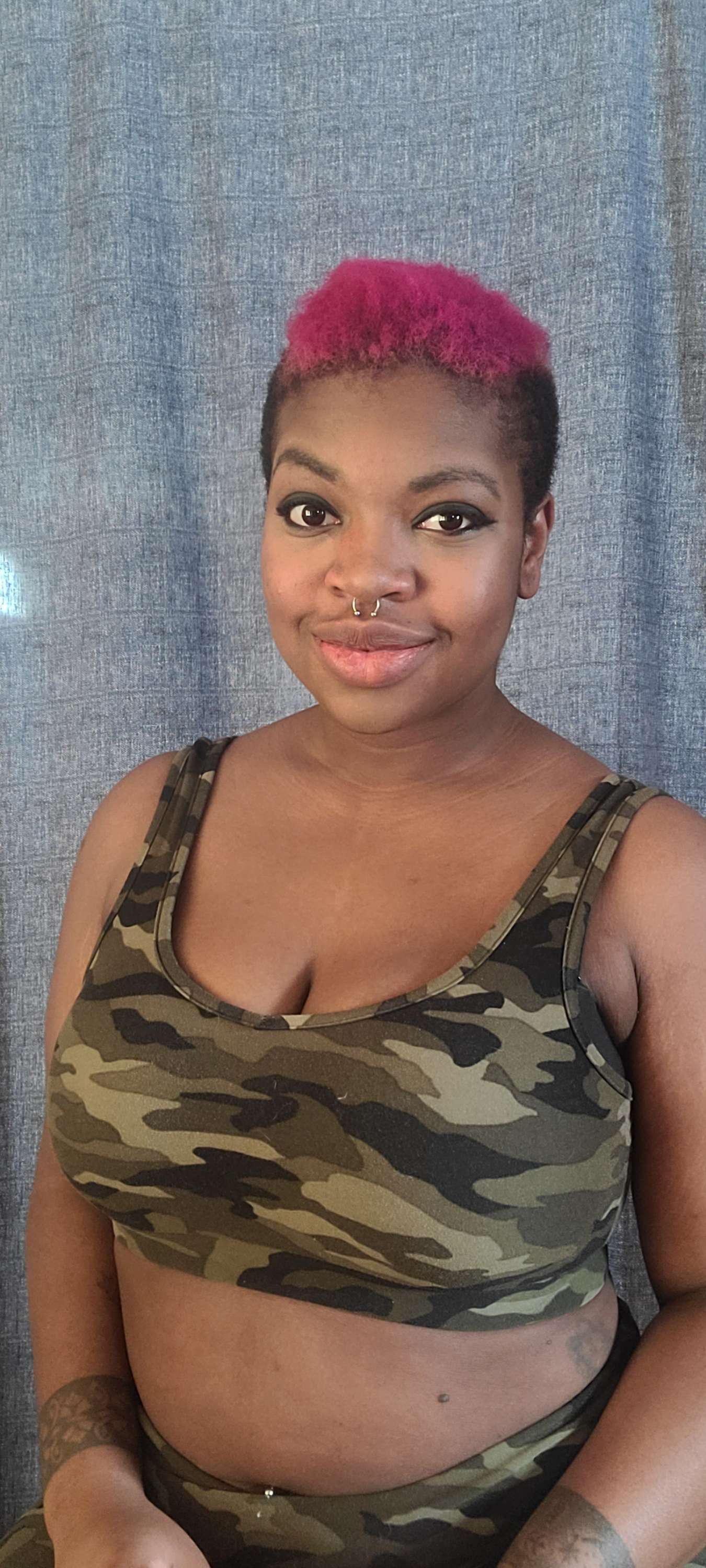
- Jul 1, 2025
- 8 min read

Let’s be honest with ourselves—the pressure to love our bodies every single day can feel like another impossible standard. Some days, I catch my reflection and feel a genuine surge of power and beauty. Other days, the mirror feels like a battleground I’d rather avoid. And if you’ve ever stared back at your image, wrestling with feelings of frustration, critical self-talk, or even the disorienting blur of dysmorphia, know this: you are absolutely not alone.
The body positivity movement has been a beacon of change for so many, a vibrant call to celebrate the skin we’re in, regardless of society’s narrow definitions of beauty. It has undeniably shattered barriers and empowered countless individuals. But for some of us—particularly those navigating the complexities of chronic pain, the ebbs and flows of mental health, or the challenging landscape of body dysmorphia—the leap straight to unwavering self-love can feel like asking a wounded bird to suddenly soar. It's a beautiful ideal that, at times, feels just out of reach. That’s where the gentle, yet powerful, philosophy of body neutrality offers a different path.
In this article, I want to explore both body positivity and body neutrality, share why I’ve personally found solace in leaning toward neutrality, and, most importantly, help you discover an approach that truly resonates with you—one that fosters genuine peace, not just fleeting Instagram validation.
Body Positivity: A Bold Reclamation of Worth and Visibility
The body positivity movement is a powerful and necessary force that encourages the radical acceptance, love, and celebration of all bodies. It stands as a defiant act against ingrained beauty standards that have historically marginalized and shamed those who don't fit a very specific mold. This movement has championed the visibility of diverse bodies—larger bodies, scarred bodies, differently abled bodies, bodies of color—pushing back against the relentless pressure to shrink, smooth, and conform.
It’s because of body positivity that we now see more representative figures in mainstream media, like the inspiring Precious Lee and Ashley Graham gracing magazine covers and challenging outdated ideals. Brands are slowly beginning to embrace inclusivity in their advertising, and many of us are finally starting to unpack the harmful messages we internalized growing up. For me, body positivity was the first crack in the wall of self-loathing. It began to dismantle the lie that my worth was tied to a number on a scale and helped me understand the simple truth: bodies are wonderfully diverse, and there is no single "right" way to look.
However, the very demand for positivity can sometimes feel like another pressure point. While I personally try to be body positive, especially when it comes to others, there are days when mental illness, trauma, or chronic illness clouds my mind, telling myself I love my body feels more like a lie than liberation. It can create a sense of guilt for not feeling "positive enough," adding another layer of emotional burden. For many, including myself, mustering the energy to be positive about what we see in the mirror isn't always possible.
Body Neutrality: Finding Peace in Function and Being

Body neutrality offers a different perspective: one that shifts the focus away from appearance-based value altogether. Instead of striving for love or even like for how your body looks, body neutrality encourages an appreciation for what your body does. It’s about recognizing the incredible ways your body supports you every single day—how it carries you through the world, allows you to breathe the air, enables you to dance to your favorite songs, or wrap your arms around someone you love.
For someone like me, living with persistent pain and the lingering effects of past injuries, body neutrality has become a more sustainable and compassionate approach. There are days when movement is a struggle, when even getting out of bed feels like a monumental effort. On those days, the demand to feel "positive" about my body feels unrealistic and even invalidating of my lived experience. What I need is simply to acknowledge and honor that my body is still here, still persevering. There are many days that if my body lets me walk a quarter mile, I'm over the moon. Because it's movement. It's progress, and I know that my body is working with me.
Body neutrality doesn’t demand praise or admiration. It simply asks for acceptance and peace. It allows you to be in your body without the constant judgment and evaluation of its appearance. For many of us who have spent years battling our reflections, this shift in focus can be profoundly liberating. It’s about recognizing your inherent worth that exists completely independent of your physical form.
The Rollercoaster of Body Image: Why Your Struggles Resonate
My own journey with body image has been a turbulent one, starting as early as middle school. Like, what the actual f—no middle schooler should feel bad for not being a size 2. But I did. I vividly remember feeling "huge" in a size 6, a perception that seems absurd now but felt intensely real at the time. I honestly don't know what triggered my body issues, but they've been a constant companion.
Later, necessary medications drastically altered my metabolism, leading to rapid weight gain—pushing me to a size 12 in the span of 3-6 months. This was despite being extremely active at the time; I was walking every day, riding my bike, enjoying sports, and spending time outdoors. I felt a deep sense of betrayal by my own body, a confusion about why it was changing so drastically when I felt I was doing everything "right."
Layer on years of chronic pain that limits my movement, the lingering fatigue and bodily changes after multiple COVID infections, and the cyclical nature of mental health challenges, and the concept of unwavering body positivity began to feel like an unachievable ideal. The stark contrast between the fleeting moments of feeling good in my body and the more frequent experiences of pain and discomfort created a dissonance.
When I experienced significant weight loss these last years, I felt a surge of relief and a temporary sense of alignment with societal beauty standards. But when illness inevitably led to weight regain, the disappointment was crushing. I retreated in dressing rooms, avoided the camera lens, and internalized the feeling that my body had somehow failed me.
Dysmorphia, am I right? It's tough when you know you're not seeing what the mirror is truly showing.
But through this ongoing process, I've started to cultivate a different kind of relationship with my body—one rooted in respect rather than forced love. It's about acknowledging its resilience, thanking it for carrying me through difficult times, and recognizing its inherent value beyond its aesthetic appearance. I know that my worth isn't based on how "pretty" I look at a given time, and what I "bring to the table" is so much more than a pretty face.
Media's Mixed Messages: From Swan Princess to Victoria's Secret

Growing up, I remember a lot of kids' movies focused on beauty being a deciding factor. Do you remember The Swan Princess? Like, oh my god, I loved that movie, but the fact that Derek disliked Odette, even though they had things in common, until she was pretty? Woah, what a red flag (though the sequels were pretty good, the third was my favorite... and now I want to rewatch the series, lol!). That narrative, where physical appearance dictated worth, was so pervasive. As a kid, I honestly thought being skinny was how I was supposed to look.
Now, we have songs like Jax's "Victoria's Secret," which I absolutely love! The truth is "thunder thighs," "thick thighs," people's version of "chubby"—it's all so subjective. Thunder thighs just means there isn't a thigh gap, after all. I wish that "Victoria's Secret" had been out when I was a kid. I try to think back to any songs that were this level of positive when I was younger, but honestly, I can't really think of any unless you count Sir-Mix-A-Lot's "Baby Got Back."
I think we as a society are getting better about being more inclusive when it comes to our bodies. When I look at ads nowadays, there are definitely more people who look like me, and what I used to look like last year when I'd lost all the weight. Seeing women like Precious Lee and Ashley Graham in the spotlight is amazing. Now I like my curves, and while I don't trust the mirror every day, I know that my body does what it's supposed to do. When I can walk, I appreciate it. When I go for a swim, I appreciate that my body lets me move.
You Hold the Compass: Navigating Your Own Path
The beautiful truth is that you don’t have to rigidly align yourself with "team body positivity" or "team body neutrality." This isn't an either/or situation. Some days, you might genuinely feel a surge of self-love and embrace the core tenets of body positivity. Other days, simply acknowledging your body's function and striving for neutrality might feel like a significant victory. And that fluidity, that acceptance of where you are in any given moment, is perfectly okay.
There is immense power in meeting yourself with compassion, exactly where you are on this journey. Both body positivity and body neutrality serve as powerful challenges to the harmful and often unrealistic beauty standards that permeate our society. Both ultimately encourage a healthier and more compassionate relationship with your physical self. What truly matters is discovering the approach that fosters genuine healing, self-acceptance, and inner peace for you.
So, whether you find strength in the bold declarations of "thick thighs save lives" or find quiet solace in simply thanking your legs for carrying you another block despite the pain, know that both paths are valid. Both are inherently enough.
A Gentle Reminder: You Are So Much More Than Your Body
If you've ever felt like your body is a battleground, if you've ever believed your worth was intrinsically tied to your size or shape, if you've ever felt unseen or unlovable because of perceived flaws, please know that your feelings are valid, and you are deeply seen.
If you're on the path toward finding peace with your body, even if the idea of loving it feels distant right now, that in itself is a courageous and beautiful step. You are not behind. You are not broken. You are simply rebuilding your relationship with yourself on terms that feel authentic. And for that, I am truly proud of you.
Let's Continue the Heart-to-Heart

If anything in this article has resonated with your own experiences, I gently encourage you to take a moment to sit with those feelings—not to judge or fix yourself, but simply to acknowledge and feel them. Your unique story, your incredible body, your personal journey—they all hold immense value. Whether you're actively working on loving your reflection or simply striving for a place of neutral acceptance, the fact that you are engaging with these ideas means you are moving forward. And that truly counts.
And if you’ve ever found yourself wondering:
“Is it okay if I don’t wake up every day loving my body?”
“Does it mean something’s wrong with me if body positivity feels like too much?”
“Am I alone in this space between self-love and self-loathing?”
Please let this be your resounding answer: No. You are not alone. Not now. Not ever.
Embracing Peace in the Present Moment
You don’t need to be head-over-heels in love with your body to treat it with respect and kindness.
You don’t have to reach a specific weight, achieve perfect peace with food, or radiate unwavering confidence to be inherently worthy of love and acceptance.
You don’t owe the world a flawless image to validate your existence.
Body neutrality offers us the freedom to step out of the constant noise of judgment and comparison. It allows us to say, “Today, I may not love how I look—and that’s okay. I am still here, showing up for my life.”
And in that simple act of showing up, there is profound power.
There is undeniable bravery.
There is inherent enoughness.
Wherever you find yourself on this intricate journey—from moments of deep body loathing to flashes of self-love to simply learning to inhabit your skin with a sense of neutrality—please know that I am walking alongside you. We are not striving for some unattainable perfection. We are pursuing something far more meaningful: peace, purpose, and a sense of gentle acceptance in our own skin.
You are already worthy, just as you are, right now.
And I am genuinely proud of you for being here.


Comments